 TR
TR EN
EN AR
AR
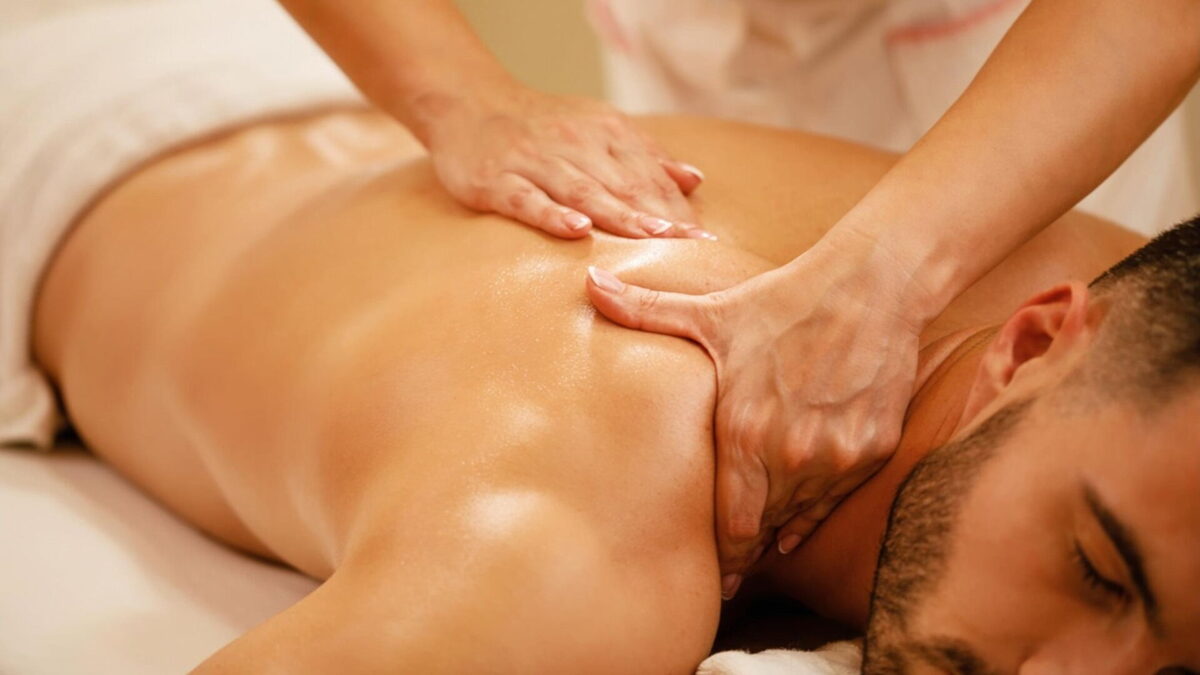
The question we hear most often from first-time guests is simple: "What do I need to do to prepare?" The truth is, a great massage isn't shaped by the therapist's hands alone — it's also shaped by the small things you do before and after your session. Here at Aren Spa Ankara Masaj Salonu, in the heart of Kızılay, we've noticed a clear pattern: guests who arrive properly prepared and give their body a little time afterward walk away feeling noticeably more relaxed and restored than those who rush in and rush right back out. In this guide, we've pulled together everything worth knowing, from the moment you book your appointment to the hours after your session ends.
Before Your Massage: How to Prepare
How comfortable your session feels largely comes down to getting your body ready beforehand. It doesn't take an elaborate routine — a few simple habits are usually all you need.
Timing your meals and water
- Don't arrive too full. A heavy meal right before your session can cause discomfort, especially during strokes that work the abdominal area. Ideally, eat something light about 1–2 hours before your massage.
- But don't arrive starving either. Coming in on a completely empty stomach can leave you feeling lightheaded or weak during the session. A small snack beforehand keeps things balanced.
- Stay hydrated. Drinking enough water throughout the day helps your muscles respond more readily to the massage.
What to wear and when to arrive
- Choose comfortable clothing that's easy to slip out of. In a professional massage, your privacy is always protected with towels and draping — you only undress to the extent you feel comfortable with.
- Arrive a few minutes early. Starting a session out of breath after rushing in is the opposite of relaxing; sitting quietly for a few minutes beforehand makes the massage that much more effective.
- If possible, leave strong perfume, watches, and jewelry at home — it makes hands-on work easier and helps you settle into relaxation faster.
What to tell your therapist
This is one of the most important steps, and also the one most people skip. A short conversation with your therapist before the session begins is what turns a generic massage into one tailored specifically to you. Don't hesitate to mention:
- Any areas that feel especially tight or sore — neck, lower back, shoulders, and so on.
- Past injuries, surgeries, or sensitive spots, if you have any.
- Health conditions worth knowing about, such as pregnancy, high blood pressure, or skin sensitivities.
- Whether you prefer firm or gentle pressure. In our own sessions, most first-time guests find they're more comfortable starting with medium pressure.
During the Session: Communication and Breathing
Once you're on the table, there's still a bit you can do — a few small things that take the experience to a whole different level.
- Speak up. If the pressure feels like too much or too little, say so. A good therapist expects this feedback — staying quiet out of politeness only makes the session less effective.
- Focus on your breathing. Slow, deep breaths help your muscles let go. When a particularly tight spot is being worked on, exhaling slowly instead of holding your breath can make it much easier to relax.
- Let your body go limp. Instead of trying to "help" by lifting your arm or leg, let it rest completely loose — the less you resist the therapist's movements, the better.
- Speak up if you're cold, if the lighting bothers you, or if your position feels uncomfortable. Comfort is the foundation relaxation is built on.
After Your Massage: Give Your Body Time
The effects of a massage don't end the moment the session does. The next few hours matter just as much for holding on to that sense of relaxation.
What helps afterward
- Drink water. Hydrating after a massage is a simple, soothing habit that supports your body as it recovers.
- Take your time getting up. Rise from the table slowly and sit for a minute before standing. Getting up too quickly can leave you feeling dizzy.
- Rest if you can. Rather than diving straight into a packed schedule, let yourself enjoy that relaxed state for a little while.
- A warm shower can relax your muscles even further and helps rinse away any oils used during the massage.
What to avoid in the first few hours
- Strenuous exercise or demanding physical activity. Give your muscles a few hours to rest.
- Very hot showers — lukewarm water is a better choice, since high heat can leave some people feeling more fatigued.
- Alcohol and heavy, greasy meals. Eating light and balanced feels better.
Is mild soreness normal?
If your session included deep tissue work, it's normal to feel a bit of tenderness or stiffness the next day — similar to how muscles react after an intense workout. It's something we see often with our guests, and it typically fades on its own within a day or two. Plenty of water, gentle stretching, and rest can ease it along. That said, if the discomfort is severe or lasts more than a few days, it's worth checking in with a healthcare professional.
In Short
A great massage experience comes together in three parts: good timing and open communication beforehand, easy breathing and honest feedback during, and water and rest afterward. These small steps can turn the very same session into a far more satisfying one.
At Aren Spa Ankara Masaj Salonu, in the heart of Kızılay in central Çankaya, our experienced team meets every guest according to their own needs, offering 12 different massage styles alongside our Turkish bath, sauna, and spa facilities. Even if it's your first visit, feel free to ask us anything before your session. For appointments and information, call us at 0534 978 79 51, available every day from 10:30 to 03:00.